IRGC deputy chief: Iran has downed over 200 enemy aircraft since war began
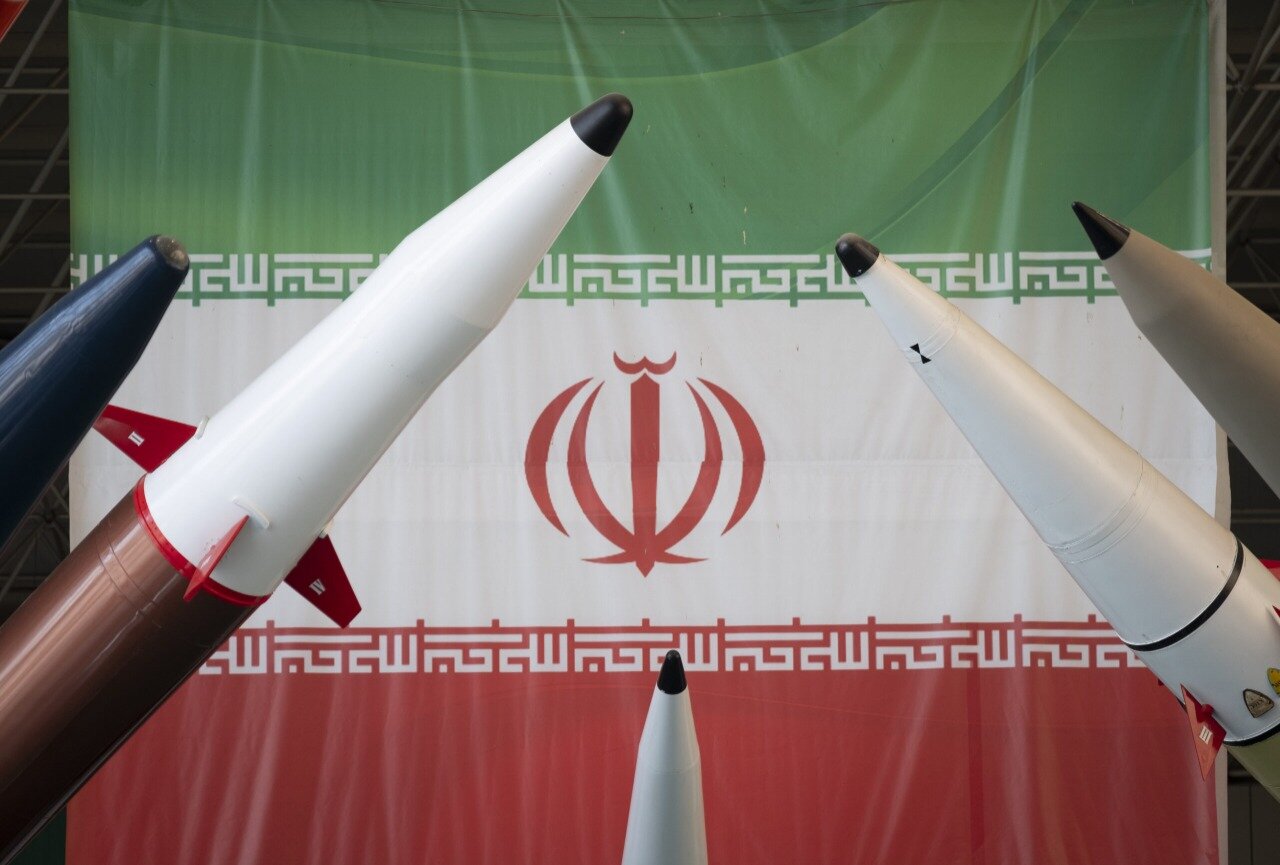
TEHRAN — Iran successfully defeated its adversaries while spending only a fraction of the resources allocated by its opponents on weapons and military operations, a senior commander of the Islamic Revolution Guards Corps (IRGC) stated.
"The system based on Velayat-e Faqih (Guardianship of the Islamic Jurist) was able to manage a war at one-hundredth of the enemy's expenditure, ultimately securing victory for the fighters of Islam," IRGC Deputy Commander-in-Chief Major General Mostafa Izadi said on Monday during a ceremony dedicated to honoring journalists. His remarks referenced the 39-day unprovoked conflict involving the United States and Israel that initially commenced on February 28.
General Izadi lauded reporters as the "commanders of the cognitive war" who hold a pivotal position on the battlefield. He emphasized that hostile forces suffered defeat in this domain because those active in soft warfare consistently neutralized adversary plans.
The senior commander noted that hostile actors actively attempted to destabilize the Islamic establishment and empower counter-revolutionary factions, asserting, "We stood firmly against this conspiracy." Despite numerous concerted efforts to weaken the nation, Iran not only withstood the pressure but emerged more resilient than before, he added.
Highlighting the capabilities of Iran's armed forces during the US-Israel-imposed conflict, General Izadi reported that more than 200 enemy aircraft were brought down.
Furthermore, he praised the steadfastness of the Lebanese resistance movement Hezbollah against six opposing Israeli army divisions, describing it as a critically important and valuable achievement.
General Izadi underscored the effectiveness of Iran's governance in confronting its adversaries, pointing out that the world's leading military power, alongside regional allies and NATO-backed support, entered the conflict against Iran, yet the nation endured and maintained its resolve.
He attributed this success to Iran's "strategic patience and stable governance," which ultimately guided the country to victory. While adversaries continue attempts to isolate Iran through economic pressure and naval blockades, Izadi maintained that "it is the enemy itself that is on the path to collapse."
The United States and Israel launched their second war of aggression against Iran on February 28, marked by the assassination of the Leader of the Islamic Revolution, Ayatollah Seyyed Ali Khamenei, alongside several high-ranking military commanders.
In retaliation, Iranian armed forces launched 100 waves of counterattacks over 39 days, inflicting significant damage on US and Israeli military assets.
Following the April 8 ceasefire, Washington and Tehran announced a Pakistani-mediated memorandum of understanding (MoU) on June 17 designed to halt military operations across multiple fronts—including Lebanon—reopen the Strait of Hormuz, and lift the naval blockade on Iran. However, subsequent violations of the agreement by Washington prompted a decisive response from Tehran.
Leave a Comment